 Facebook
 X
X
 Pinterest
 Copy Link
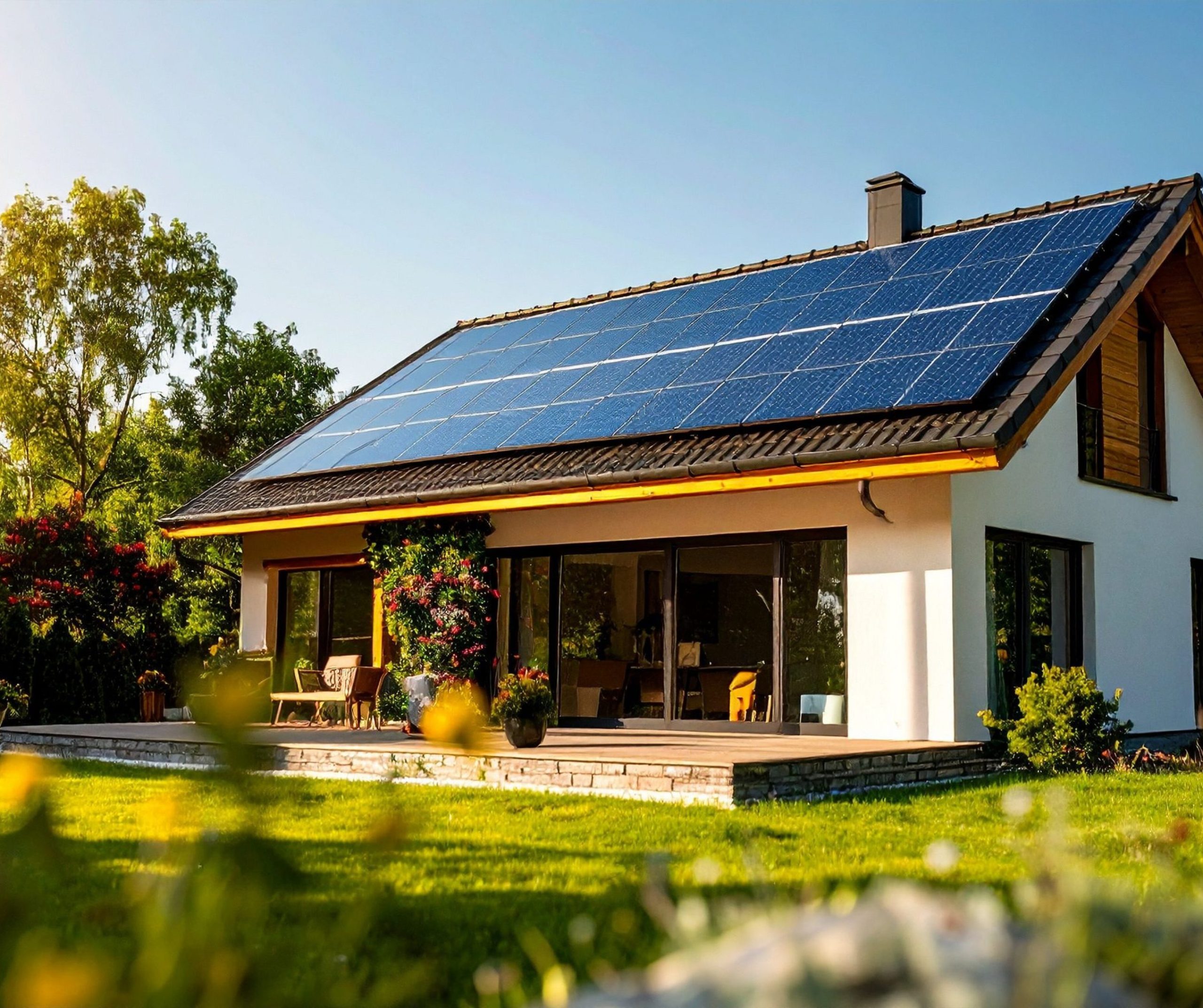
Solar panels are becoming increasingly common in residential real estate, especially in areas where energy costs are high. While they can be a great selling feature, the way the system is owned, paid off, financed, or leased, can impact how a home sale works.
Paid-Off Solar Panels
Paid-off solar systems are usually the most appealing to buyers. Since the system is fully owned, it transfers with the home just like any other fixture. Buyers benefit from lower electricity costs without taking on any additional payments, and sellers can market the home as energy-efficient.
Financed Solar Panels
With financed solar panels, the homeowner owns the system but still has a loan attached to it. In many transactions, the seller chooses to pay off the solar loan during escrow so the buyer receives the system free and clear. In some cases, buyers may assume the loan if they qualify, but this can add an extra step to the process.
Leased Solar Panels
Leased solar panels can add more complexity to a home sale. The solar company owns the equipment, and the homeowner pays a monthly lease. When the home is sold, the buyer usually needs to qualify with the solar company and assume the lease agreement, which may include credit approval and acceptance of the remaining lease terms.
What Sellers Should Know
If you’re planning to sell a home with solar panels, it’s helpful to determine early whether the system is owned, financed, or leased and gather any related documentation. Understanding the details ahead of time can help prevent delays during escrow and make the transaction smoother for both buyers and sellers.


